
Roku vs IPTV: The Ultimate 2025 Comparison for Smart Streaming
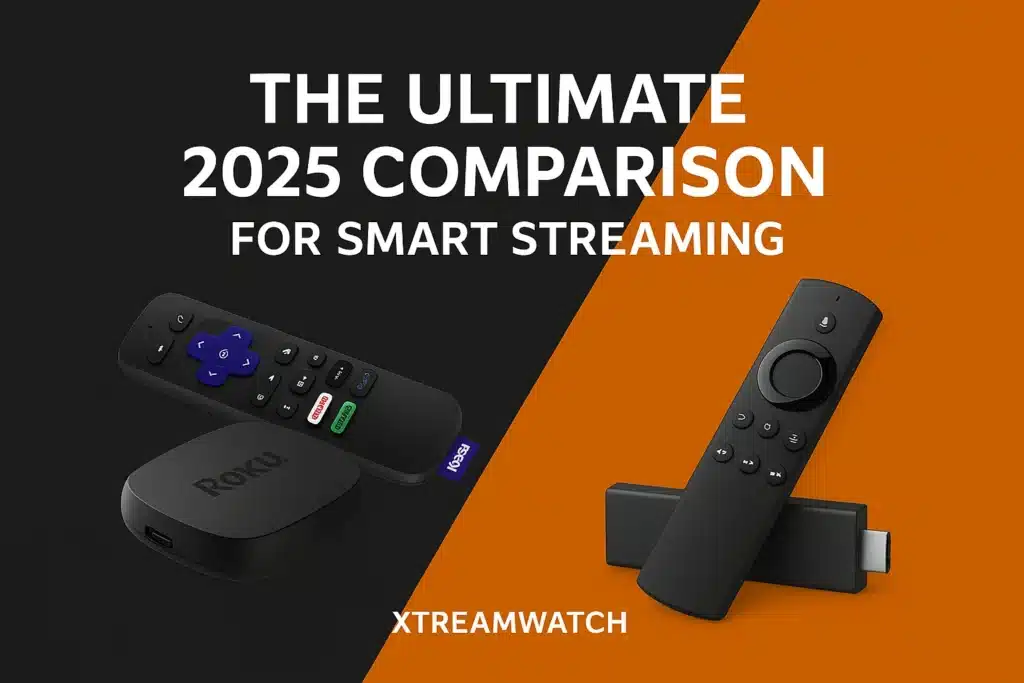
The streaming revolution has completely reshaped home entertainment. With the rise of platforms like Roku and IPTV, viewers today have more options than ever before. But when it comes to choosing the perfect setup for your streaming lifestyle, which is better—Roku or IPTV?
In this comprehensive guide, we break down every essential factor — from content selection, streaming quality, customization, pricing, compatibility, and more — to help you make the right choice.
Roku: Simplicity, Stability, and Seamless Streaming
Roku stands out as one of the most user-friendly streaming platforms on the market. Known for its plug-and-play design and wide app ecosystem, Roku caters to users who want a simple yet reliable way to stream movies, TV shows, and live content.
Key Strengths of Roku
- Effortless Setup: Connect to Wi-Fi, log in, and start streaming within minutes.
- Wide App Ecosystem: Access thousands of official apps including Netflix, Disney+, Hulu, YouTube, Prime Video, and niche channels.
- Stable Software: Regular firmware updates enhance speed, security, and functionality.
Affordable Options: Roku Express, Roku Ultra, and Roku Streaming Stick+ cater to various budgets.
Limitations of Roku
Despite its ease of use, Roku’s closed ecosystem restricts flexibility. Users cannot install third-party apps outside Roku’s official store, limiting customization.
Other drawbacks include:
- No built-in DVR or advanced recording options
- Limited international channels compared to IPTV
- Restricted use of IPTV apps due to Roku OS limitations
IPTV: Flexibility, Global Access, and Cost Efficiency
Internet Protocol Television (IPTV) provides a more dynamic and customizable experience. Unlike Roku’s predefined app store, IPTV allows users to stream live TV and on-demand content directly from internet servers — often mimicking or outperforming traditional cable TV in quality and affordability.
Core Advantages of IPTV
- Extensive Channel Variety: Thousands of international channels, sports networks, and premium entertainment options.
- Flexible Subscription Plans: Pay only for the channels you want, avoiding unnecessary costs.
- Multi-Device Compatibility: Works across smart TVs, Android boxes, PCs, and mobile apps.
Potential for 4K and HD Streaming: With a stable connection, IPTV often delivers higher-quality streams than standard apps.
Challenges with IPTV
- Technical Setup Required: Users need to input M3U links or Xtream Codes manually.
- Dependence on Internet Stability: Buffering or lag may occur on weak connections.
- Provider Reliability: Streaming quality varies depending on the IPTV provider’s server uptime and maintenance
Content and App Availability
Roku Content Access
Roku offers thousands of streaming channels covering:
- Movies and Series (Netflix, Hulu, Prime Video)
- Live TV via Sling, Philo, or YouTube TV
- Sports and News (ESPN, CBS Sports, BBC, FOX)
However, international viewers often face geo-restrictions and may need a VPN to access global content.
IPTV Content Range
IPTV services specialize in global channel access, offering:
- Regional channels from over 50+ countries
- Live sports coverage and pay-per-view events
- 24/7 movie and documentary channels
- Adult and entertainment content (based on provider policies)
For users seeking a cable TV replacement, IPTV provides unmatched channel diversity and customization, while Roku shines for mainstream app streaming.
Device Compatibility and Integration
Roku is built around its proprietary OS, optimized for Roku TVs and streaming devices, whereas IPTV apps can run on:
- Android TV Boxes
- Firestick and Chromecast
- iOS and Android smartphones
- Windows and macOS PCs
This means IPTV offers broader device flexibility, especially for advanced users who prefer personalized setups.
Security, Legality, and Reliability
Roku’s ecosystem is officially licensed, offering full legal safety. IPTV, depending on the provider, may operate in a grey area. Always choose legitimate IPTV services that comply with copyright regulations to ensure a secure experience.
Using VPNs can enhance privacy and prevent throttling when streaming IPTV content.
✅ Tip: Always test IPTV with a free trial or 24-hour pass before committing to long-term plans.
Which Platform Should You Choose?
- Choose Roku if you prefer: simplicity, plug-and-play streaming, verified apps, and minimal setup.
- Choose IPTV if you want: flexibility, global content, custom channels, and higher value per dollar.
Ultimately, both platforms excel in different domains — Roku for casual streamers and IPTV for power users seeking a fully personalized TV experience.
Frequently Asked Questions (FAQs):
Not directly. Roku doesn’t natively support IPTV apps, but some providers offer private channels or screen mirroring options.
While not mandatory, a VPN ensures privacy, prevents ISP throttling, and unlocks geo-blocked channels.
Roku’s devices are cheaper upfront, but IPTV often offers lower long-term costs due to bundled content access.
Yes, as long as the provider sources content through legitimate licensing agreements.
Yes. Many users combine Roku for mainstream apps and IPTV for international channels.
About Us
Xtreamwatch brings you smooth, high-quality IPTV streaming — live TV, movies, and sports, all in one place. Stream anytime, on any device.
 English
  Deutsch
  Français
  Español
  Italiano
  العربية
  Dansk
Dansk  Nederlands